
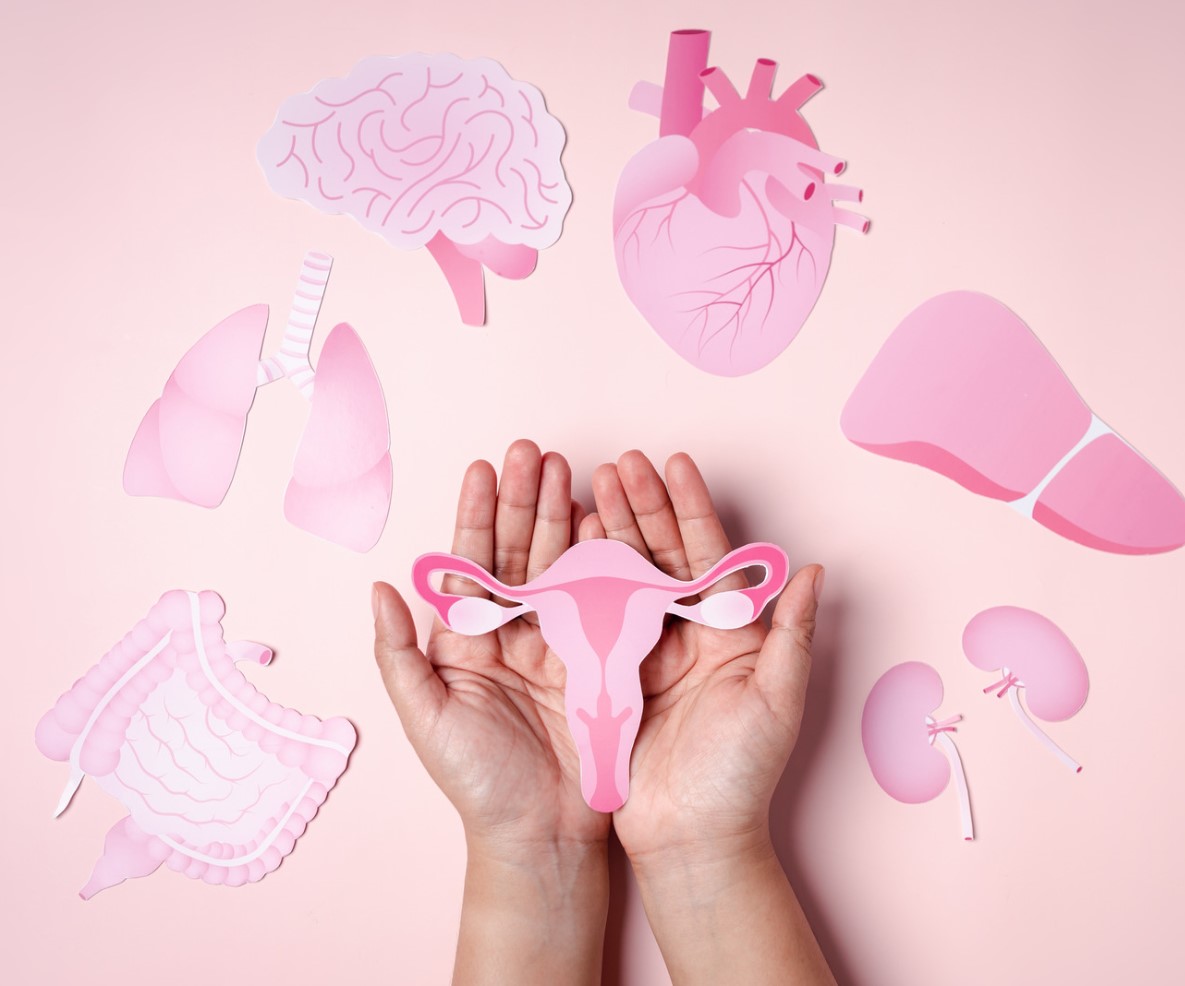
How PCOS Changed My Life—and What Helped Me Finally Take Control
PCOS. Four letters that my doctors first mentioned when I was a teenager. Back then, I had no idea how much of an impact they would have on my life. Today, I know that PCOS isn’t just about ovarian cysts; it’s a complex hormonal issue that affects the entire body, from metabolism and skin health to mental well-being.
An unexpected diagnosis I didn’t take seriously
When my doctors first brought up PCOS, they mentioned „cysts on the ovaries,“ but without any deeper explanation. For as long as I can remember, I suffered from pelvic pain and painful intercourse. Doctors suspected endometriosis but never investigated further. My health issues persisted for years. When I was nearing thirty and had been struggling to conceive for over two years, I underwent a laparoscopy. Endometriosis was ruled out, but I still had no answers.
During a routine check-up, my doctor casually remarked, „Maybe it’s those polycystic ovaries of yours.“ Just like that, as a simple fact. No explanation of what it meant or how it could affect me. In that moment, I didn’t ask further questions.
Perhaps it’s because PCOS is so often „treated“ only with hormonal birth control, which I couldn’t take due to other health issues. Or perhaps it’s because even the doctor saw no reason to dig deeper.
When my husband (then my boyfriend) and I were trying for a baby, we tried almost everything: natural conception, IUI, and we even considered IVF. After a failed IUI and some traumatic experiences, I reached my breaking point. I decided I had to stop obsessing and stop pushing so hard.
And then, a miracle happened: I conceived naturally. I believe that letting go of the stress associated with trying to conceive and focusing on the joy of planning our wedding played a huge role. A few weeks after the wedding, I found out I was pregnant.
I gave birth to a healthy baby and all but forgot about PCOS.
When your body changes and you don’t know why
About a year and a half after giving birth, I started losing weight rapidly. Likely due to prolonged breastfeeding (I breastfed for 1 year and 11 months) and the physical demands of caring for a small child. I even lost my natural curves.
I would have been happy, but it happened so fast and so intensely that I worried I might be ill. This new figure didn’t last long, though—after I stopped breastfeeding, I gained over 12 kilos (26 lbs) in a year. At first, I thought it was due to stress, emotional eating, and medications (known for causing weight gain). But when I stopped the medication and the weight stayed, I began searching for answers.
When I stumbled upon information about PCOS again, everything suddenly started to make sense:
✅ Sudden weight gain
✅ Hair loss
✅ Facial hair growth—even my three-year-old son noticed it and said, „Mommy, you have a mustache!“
✅ Painful cystic acne on my chin and neck
✅ Excessive sweating and changes in body odor
✅ Mood swings and other unpleasant symptoms
Before, my PCOS had manifested „only“ as irregular and painful periods, ovarian cysts, pelvic pain, and severe PMS. But what I was experiencing lately was different. More intense. More noticeable.
Why didn’t anyone tell me this sooner?
Once I realized that PCOS affects the entire body, not just the ovaries, I started educating myself. I didn’t want to rely solely on doctors who couldn’t give me answers.
I began testing proven strategies on my own body. I looked for solutions that would help me take control. I gradually understood that PCOS isn’t just about cysts; it’s about a complex hormonal imbalance affecting metabolism, mental health, and overall quality of life.
Today, I know that there is no single diet or universal solution. Every woman is different and requires an individualized approach. However, there are principles that can help everyone:
✔ Stabilizing blood sugar levels
✔ Supporting hormonal balance through proper nutrition
✔ Avoiding extremes—no starvation, but no overeating either
✔ Moving without stress—finding movement that suits you, not the latest trends
✔ Supplementing with the right vitamins and minerals that are often depleted in women with PCOS
These are the insights I want to pass on. I don’t want other women with PCOS to get lost in the sea of conflicting information the way I did. I gathered everything into one document, which eventually became this e-book.
Why it’s important to talk about PCOS without fear
When women are diagnosed with PCOS, they often feel terrified and lost. The internet is full of articles about infertility, obesity, diabetes, and increased cardiovascular risks.
Yes, PCOS is a serious condition. But that doesn’t mean you are helpless.
There are many ways to alleviate symptoms and live a healthy, fulfilling life. That is why I want to talk about PCOS without fear, focusing instead on solutions.
It’s not about surrendering to the diagnosis. It’s about understanding it and learning how to work with it.
0 komentárov